Explore the Road to World Cup 2026
Your Ultimate Guide to FIFA's Global Football Journey
Discover the excitement and anticipation as nations prepare for the FIFA World Cup 2026. Join us in exploring the teams, matches, and stories that will shape this monumental event in football history.
FIFA: A Legacy of Global Football Leadership
Founded in 1904, the Fédération Internationale de Football Association (FIFA) has been the cornerstone of international football governance, fostering the sport's growth and promoting unity across borders.
As the organizer of the FIFA World Cup 2026, FIFA aims to deliver an unparalleled global spectacle, emphasizing fair play, inclusivity, and the celebration of diverse cultures through the beautiful game.
With a mission to develop football everywhere and for all, FIFA's influence extends beyond the pitch, impacting social change and fostering international cooperation.
The 2026 World Cup, set to be the largest in history, will showcase the pinnacle of football excellence, uniting fans from every corner of the globe.
FIFA’s core responsibilities include:
- Overseeing international competitions
- Setting and updating the Laws of the Game
- Promoting football development programs
- Ensuring fair play and integrity
- Managing international rankings and statistics

FIFA's Continental Member Associations

UEFA
The Union of European Football Associations (UEFA) is the governing body for European football. Known for its competitive leagues and prestigious tournaments, UEFA plays a crucial role in developing football talent and organizing major events like the UEFA Champions League.

AFC
The Asian Football Confederation (AFC) governs football across Asia. With a diverse range of cultures and styles, the AFC champions the growth of the sport through tournaments such as the AFC Asian Cup.
CONMEBOL
The South American Football Confederation (CONMEBOL) is responsible for football in South America. Renowned for its passionate fans and skilled players, CONMEBOL oversees competitions like the Copa Libertadores and the Copa América.

CAF
The Confederation of African Football (CAF) is the administrative body for African football. Known for its vibrant and dynamic play, CAF organizes the Africa Cup of Nations, showcasing the continent's top talent.

CONCACAF
The Confederation of North, Central America and Caribbean Association Football (CONCACAF) oversees football in these regions. It is responsible for the Gold Cup and plays a vital role in developing football infrastructure and talent.

OFC
The Oceania Football Confederation (OFC) manages football in Oceania. Although smaller in scale, the OFC is dedicated to nurturing the sport and providing opportunities for competition and growth.

National Teams
Each continental association boasts a variety of national teams that compete on the world stage. These teams bring unique styles and strategies, contributing to the rich tapestry of global football.
World Cup 2026 Participants
The FIFA World Cup 2026 will feature teams from each continental association, showcasing the best of international football. Stay tuned for updates on the qualifying teams and their journey to the tournament.
National Teams Participating in FIFA World Cup 2026

Algeria — Technical talent, especially in midfield; competitive in the African zone.

Brazil — 5 World Cups (1958, 1962, 1970, 1994, 2002) Historical powerhouse with technically gifted squad; a natural World Cup title contender.

Colombia — Technical talent and creativity in attack; dangerous when solid defensively.
Ecuador — A rising team, with good results in the qualifiers and young players in Europe.
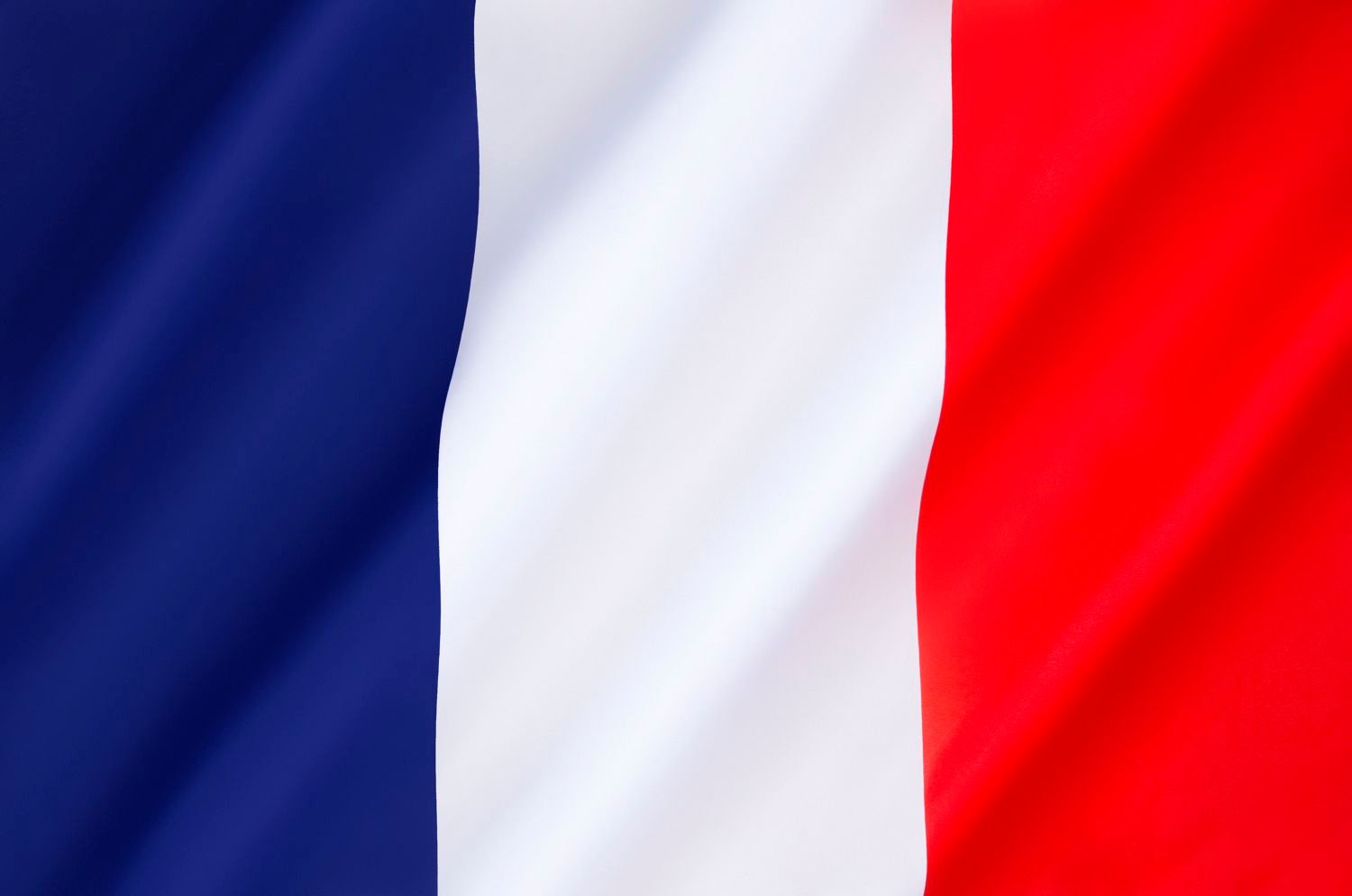
France — 2 World Cups (1998, 2018). Champion and runner-up in recent cycles; enormous potential and stars in every position.
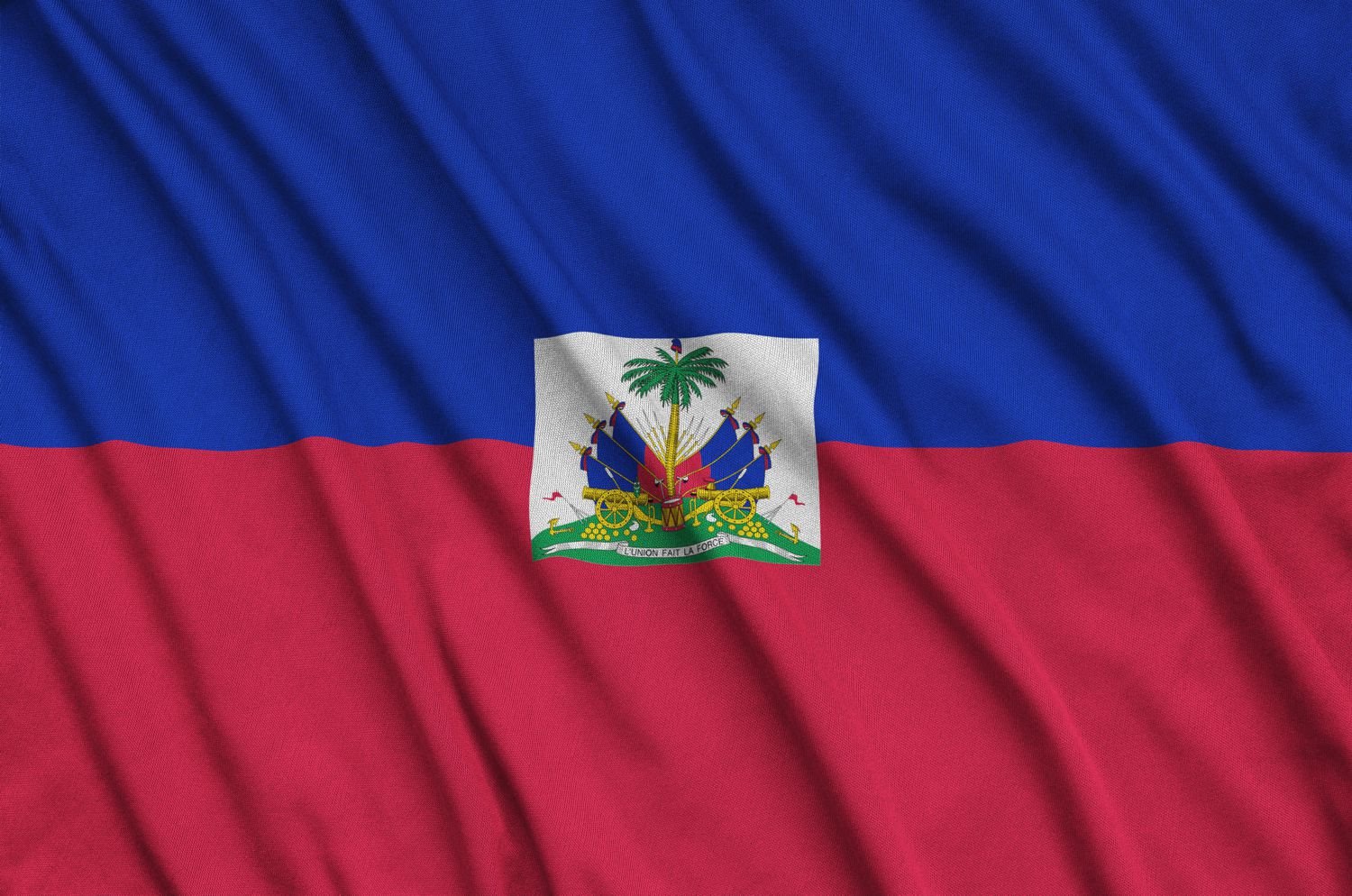
Haiti — A historic qualification that reflects growth and local talent; a very passionate footballing atmosphere.
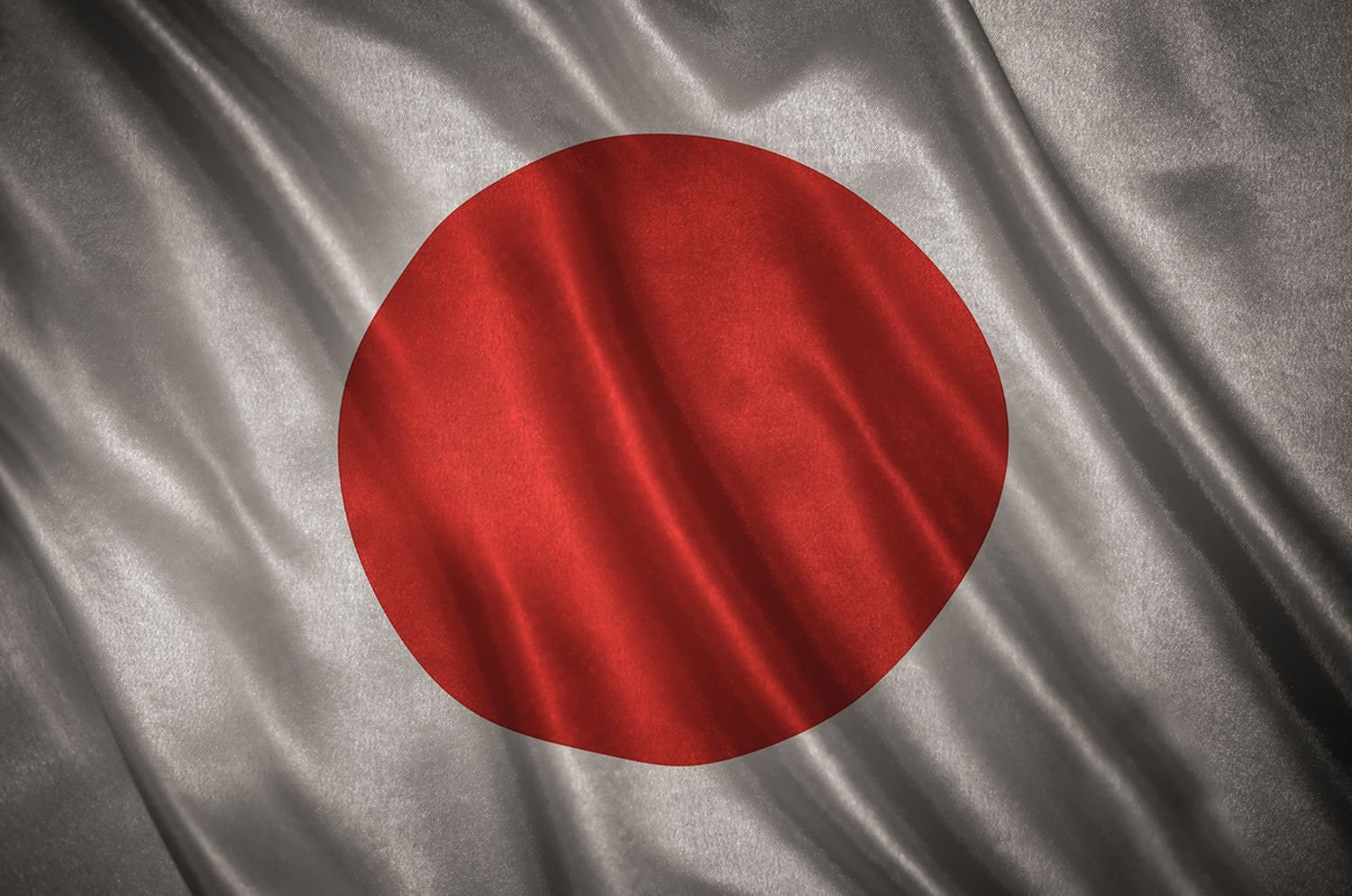
Japan — Tactically organized, technically gifted players in Europe and Asia; always a tough and competitive opponent in the final stages.

Morocco — A consolidated team after an impressive performance in the previous World Cup. Solid defense and attacking talent.

Norway — An emerging generation. Young talents in top leagues; focused on speed and goals.
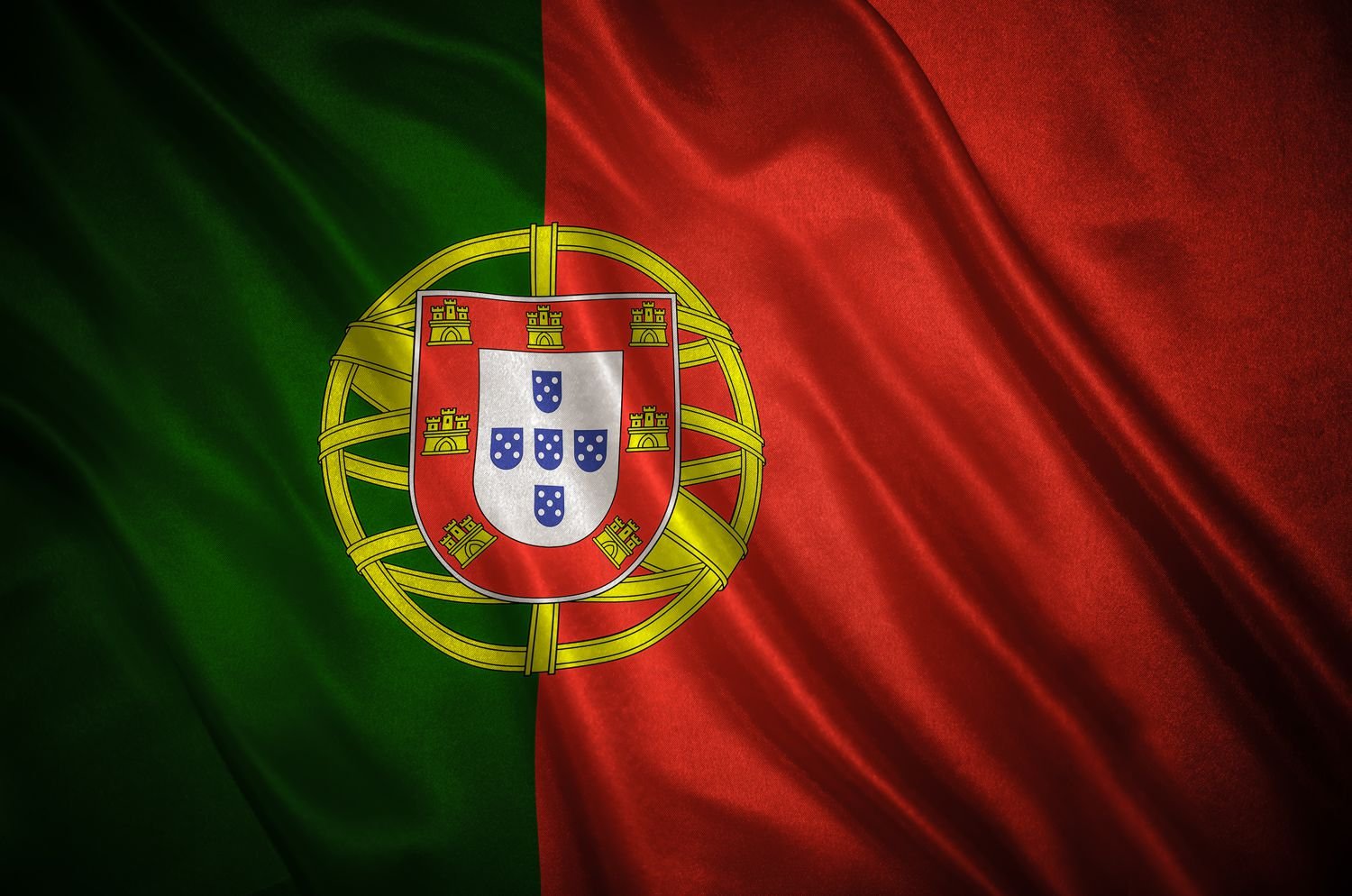
Portugal — Individual quality and attacking options; always a contender due to its technical talent and resources.

Scotland — Returns to the World Cup after years; massive fanbase and a squad with character.

South Korea — An athletic and disciplined team with a history of surprising opponents in World Cups (e.g., 2002); a combination of experience and youth.

Tunisia — Tactical discipline and good teamwork and with players in European leagues.

Uzbekistan — A historic qualification (one of their first times); an emerging Central Asian team with a style of football characterized by talent and character.

Argentina — 3 World Cups (1978, 1986, 2022). With world-class players; always a favorite for its attacking talent and footballing tradition.

Canada — On the rise after improving their structure and player development; they have players in European leagues and arrive with growing expectations.

Croatia — Tactical discipline and creativity in midfield; an example of a small country with great international performance.

Egypt — African history and experienced stars; they tend to rely on their playmaking.
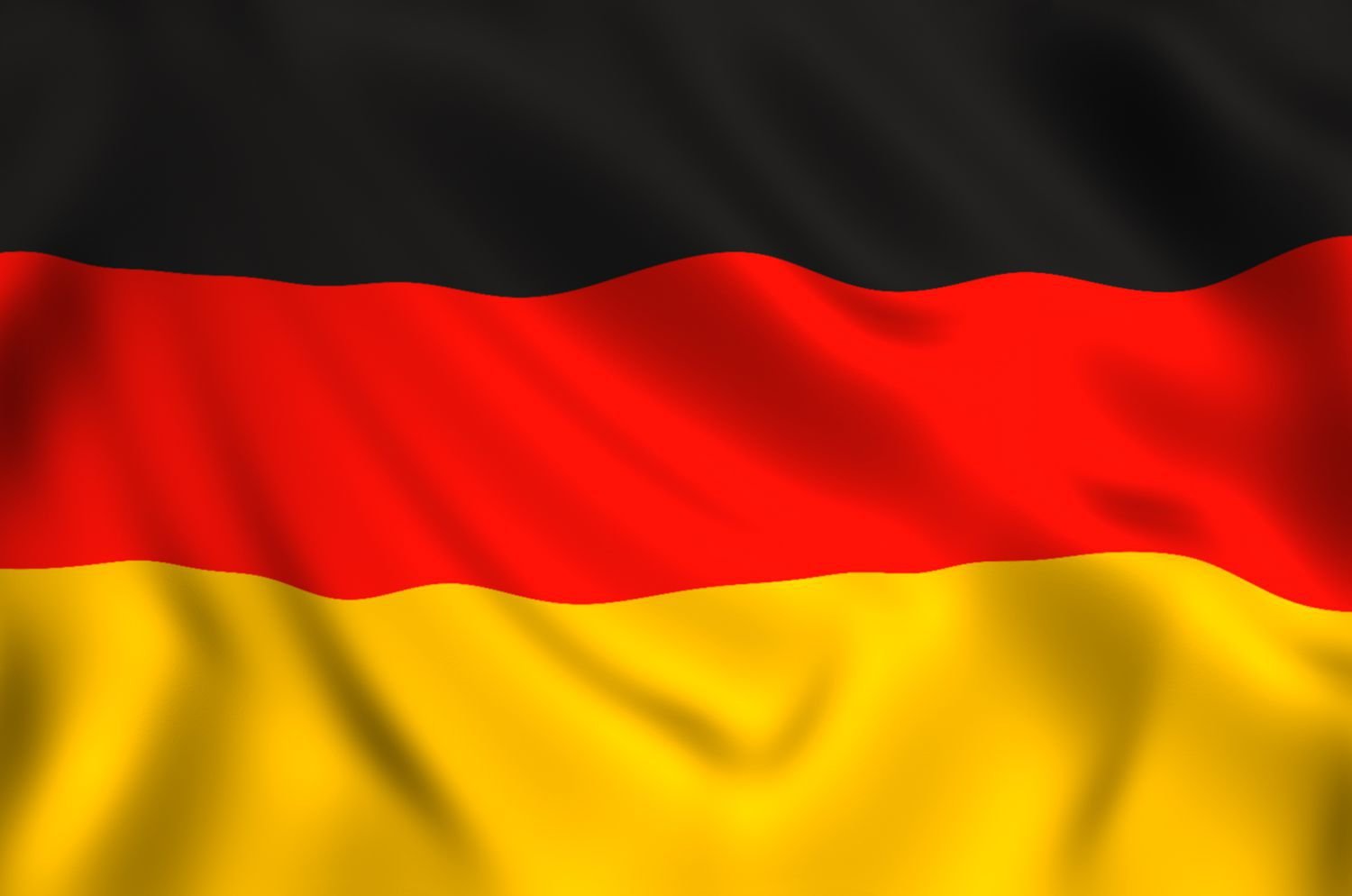
Germany — 4 World Cups (1954, 1974, 1990, 2014). Tradition, tactics, and solidity; always among the favorites after generational rebuilds.
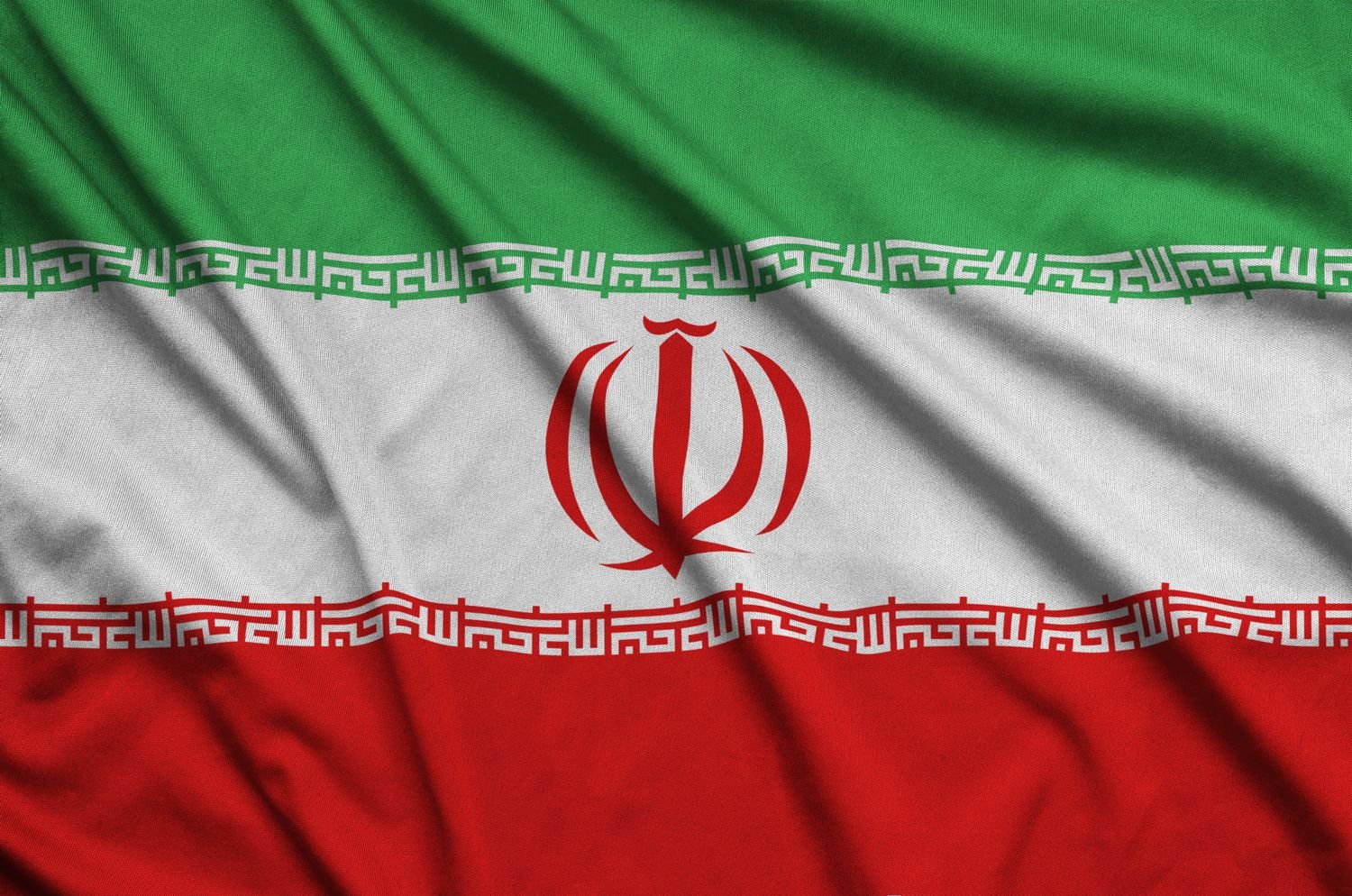
Iran — A technically gifted and committed team, traditionally strong in Asia and with dangerous counter-attacking forwards.
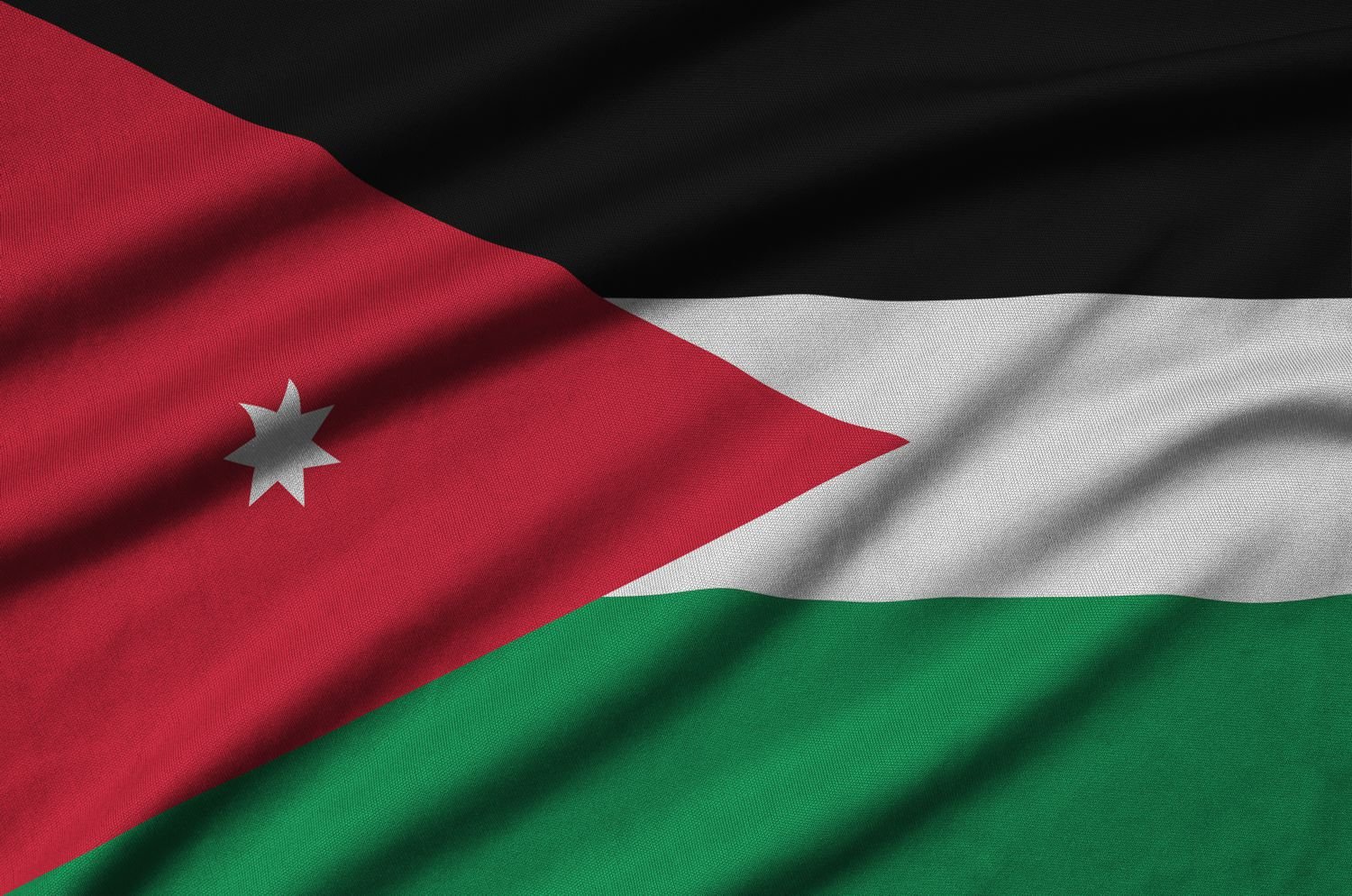
Jordan — Jordan's first-ever qualification; a significant pause in their footballing development.
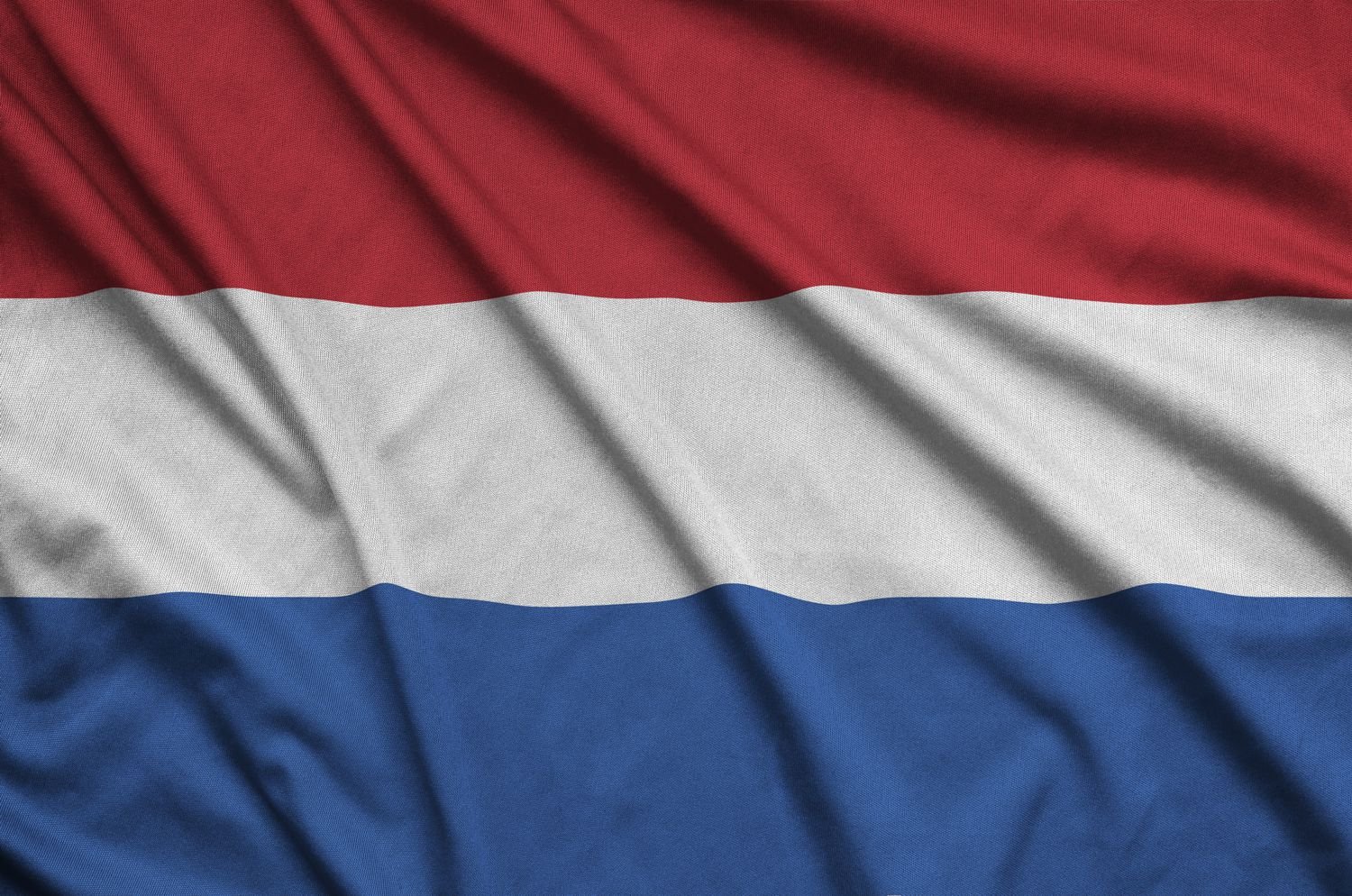
Netherlands — Technical and collective play; a European powerhouse with a history of going far.

Panama — A compact team with experience in major tournaments and players with experience in regional leagues.

Qatar — After hosting the 2022 tournament, they continue to invest in talent and development; they seek to establish themselves as a competitive team.

Senegal — An African powerhouse with high-level players in Europe; physicality and speed in attack.

Spain — 1 World Cup (2010). Possession-based and technically gifted; combined with talented youngsters and

United States — A rising team with a young generation and emerging talent in major leagues. As the host country, they share venues and arrive with pressure to capitalize on the home advantage and develop their footballing prowess in major tournaments.
Australia — Physical and organized, with players in major leagues; they usually compete hard and capitalize on set pieces and transitions

Cape Verde — A historic qualification; an athletic and organized team that has improved in recent years.

Curaçao — First-time participation; a small nation with professional players in Europe, posing tactical challenges and bringing energy.

England — 1 World Cup (1966). A deep squad with young and experienced talent; high aspirations, with a blend of physicality and technique.
Ghana — Tradition and athletic players; a team with a history of excelling in youth and senior World Cups.
Ivory Coast — A generation with attacking talent and high hopes of going far.
Mexico — A perennial World Cup contender; extensive experience in the final stages, massive fanbase and a mix of veteran and young players with great technique.

New Zealand — A traditional Oceania powerhouse; an organized and competitive team, with several players in professional leagues in Australia and Europe.
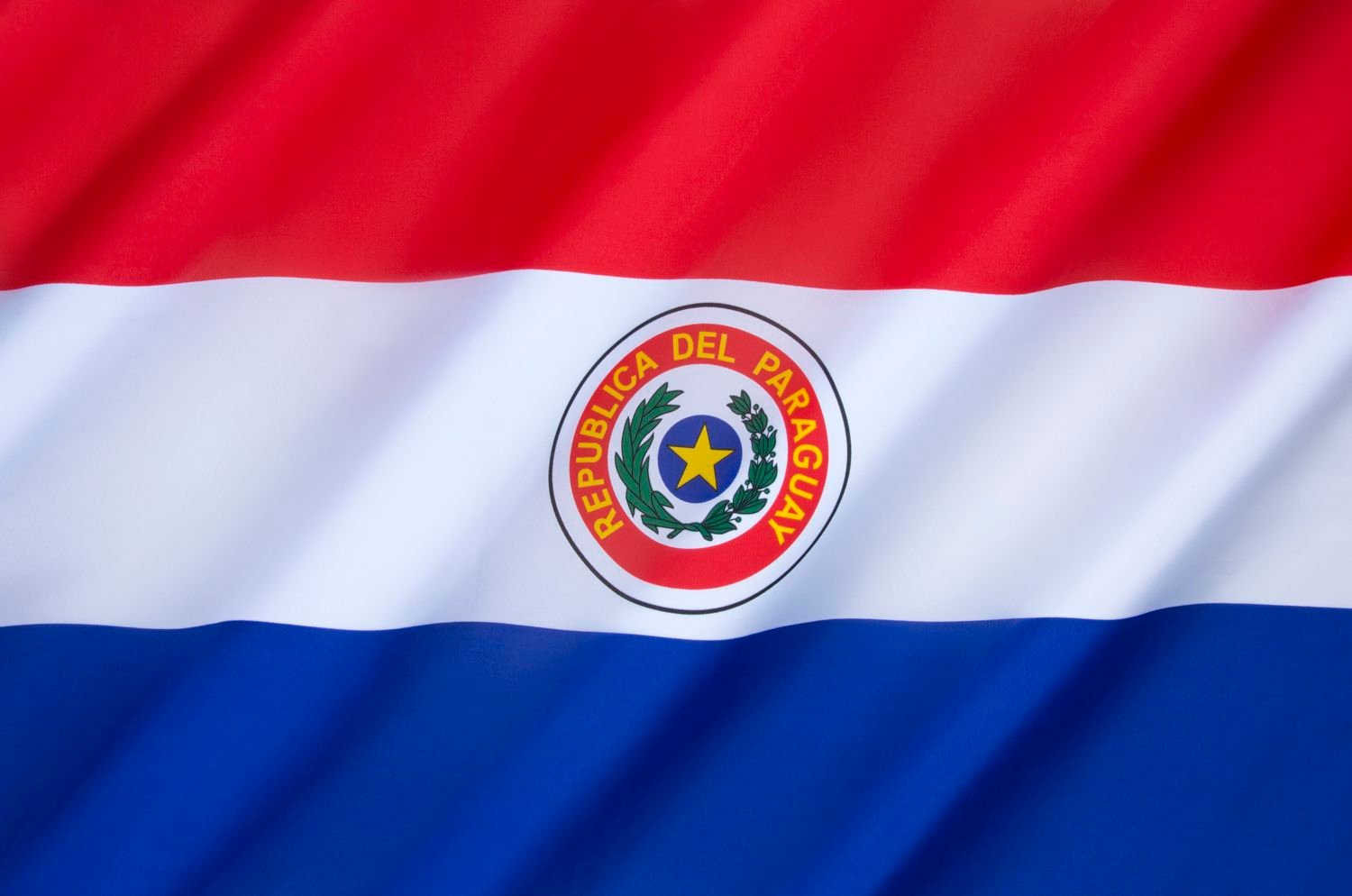
Paraguay — A tenacious and physical team, with tradition and the ability to play in tight matches.

Saudi Arabia — A team with explosive physicality and technical talent in some key players; capable of creating surprises when they find their rhythm.

South Africa — As a country with infrastructure and local talent, they seek to regain continental prominence.

Switzerland — Organization and discipline; capable of troubling any opponent with a solid defensive structure.

Uruguay — 2 World Cups (1930, 1950). History and character: they combine goals and defense; regular contenders in the final stages.
FIFA World Cup 2026 Key Statistics
The 2026 tournament will feature 48 teams, the largest in history.
Record Attendance
The 1994 World Cup in the USA holds the record with over 3.5 million spectators.
Most Goals in a Tournament
France 1998 saw a record 171 goals scored, a testament to attacking football.